
Infectious Diseases Specialist Network
The Infectious Diseases Specialist Network supports clinical and clinical-epidemiological studies in the field of infectious diseases, with the aim of enabling them to be carried out more quickly and effectively. On the one hand, this facilitates scientifically sound decision-making in medical care and paves the way for new therapeutic approaches, which directly benefit patients. On the other hand, it also strengthens the clinical research landscape in Germany in the long term.
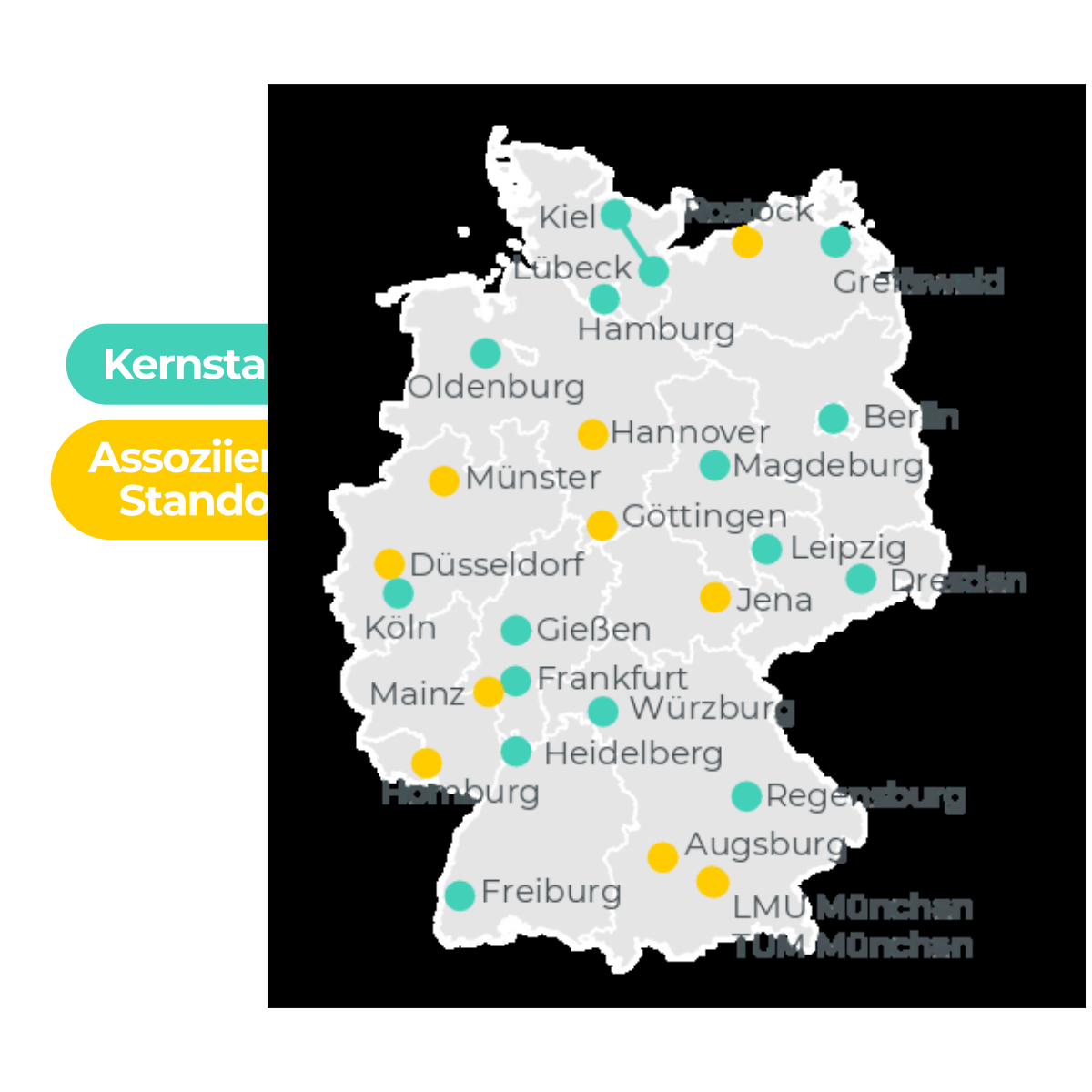
The Infections Specialist Network builds on the established structures of the National Pandemic Cohort Network (NAPKON) and the NUM Clinical Epidemiology and Study Platform (NUKLEUS). Through close collaboration with university institutions, research networks and scientists, study-related processes in infectious disease research are being further standardised and automated. In addition, central platforms for automated feasibility analyses and patient screenings are being expanded to take into account typical queries from the field of infectious diseases.
Currently, 26 German university hospitals are participating in the Infectious Diseases Network, with new sites being added on an ongoing basis. Membership of the network is available through a three-tiered participation model.
Modules and cross-disciplinary areas
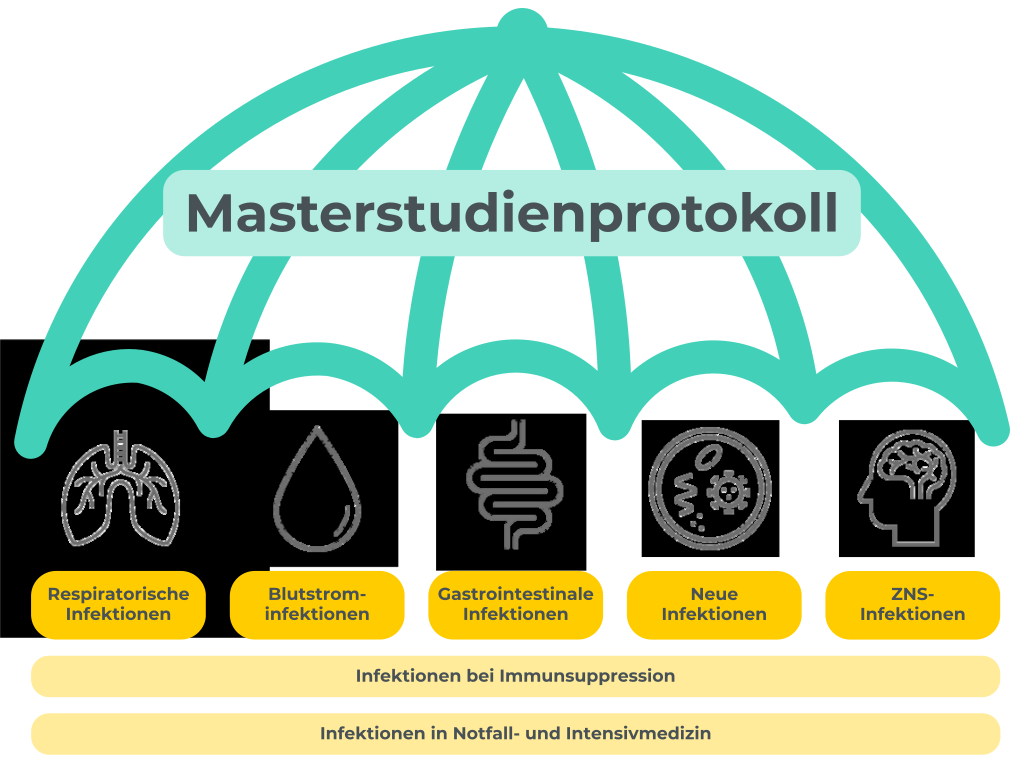
The Infectious Diseases Specialist Network is continuously recruiting patients into its baseline cohort at its various sites. This is carried out as part of a non-interventional, cross-disciplinary master study protocol, which brings together various areas of infectious diseases under a standardised study design. The recruitment strategy covers five thematic areas, known as modules:
- Respiratory infections
- Bloodstream infections
- Gastrointestinal infections
- New infections
- Central nervous system infections
In addition, cross-disciplinary areas relating to infections in immunosuppressed patients and to infections in emergency and intensive care medicine are integrated. Where necessary, the targeted and dynamic prioritisation of specific pathogens and clinical presentations from these areas can be carried out by a resolution of the relevant Steering Committee of the Infections Specialist Network. This enables a rapid response to current infection outbreaks, which makes an important contribution to pandemic preparedness.
| Module or cross-disciplinaryarea | Personresponsible | Person responsible |
| Respiratory infections | Martin Witzenrath | Corinna Pietsch |
| Bloodstream infections | Axel Hamprecht | Frank Hanses |
| Gastrointestinal infections | Christoph Lübbert | Axel Hamprecht |
| Emerging infections | Claudia Denkinger | Christoph Lübbert |
| CNS infections | Corinna Pietsch | Marcus Panning |
| Infections in immunosuppressed patients | Jan Heyckendorf | Elham Khatamzas |
| Infections in emergency and intensive care medicine | Frank Hanses | Martin Witzenrath |
Collected data and biological samples
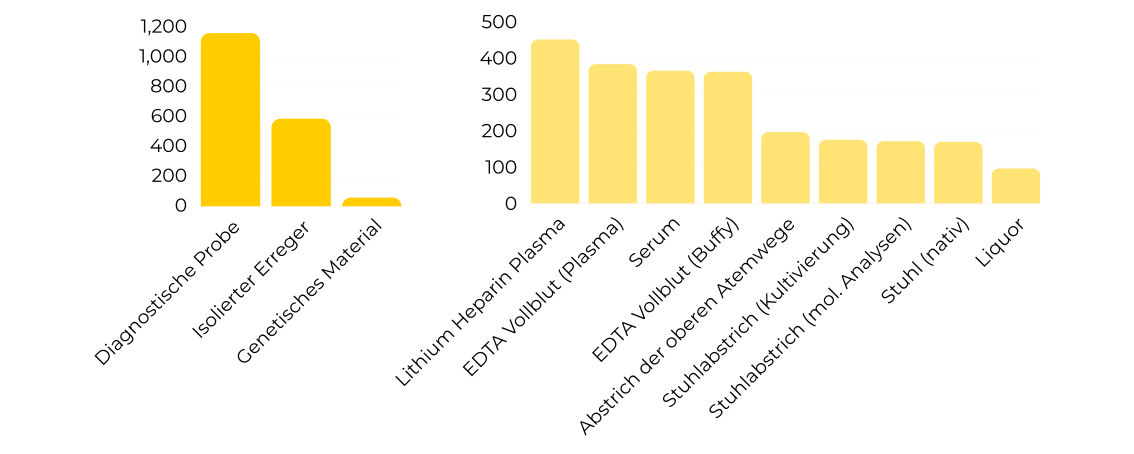
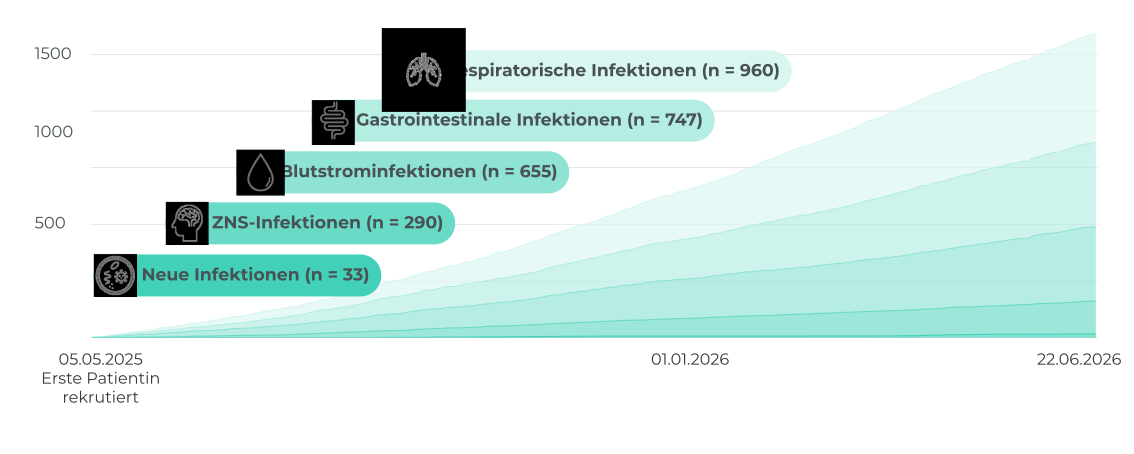
The Infectious Diseases Specialist Network provides standardised clinical data and high-quality biological samples for research projects, sourced from recruitment into the baseline cohort across the five modules.
Clinical data: A basic dataset is recorded, ranging from laboratory results, diagnoses and symptoms to vital signs, pathogen detection and resistance profiles.
Biological samples: The core set of prospectively collected biological samples comprises pathogen and blood samples. Depending on the module, additional materials may be included, such as cerebrospinal fluid, stool or respiratory swabs.
The data and biosamples from the Infections Network are available to all researchers via a ‘use-and-access’ procedure, subject to a review of their application. The access route via NUKLEUS is currently being developed; you will be informed here as soon as it becomes available.
If you take part in a study run by the Infections Specialist Network, the clinical data mentioned above will be recorded in a structured manner as part of your regular treatment and stored in pseudonymised form. Your biological samples will also be collected solely within this framework. No additional procedures or sample collections will be carried out.
Your data and biological samples will be used exclusively for scientific purposes, and only following a thorough review of the application. You may withdraw your consent at any time.