


Expert reports
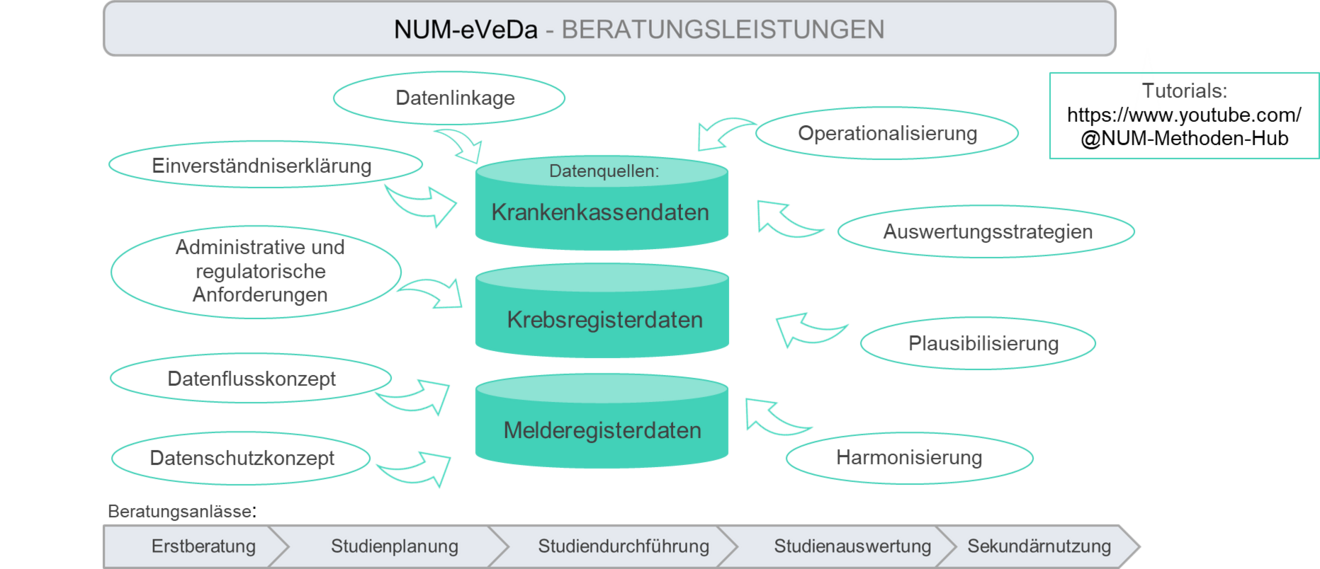
NUM4Rare, NUMlinkTREAT sub-project
Brief description:
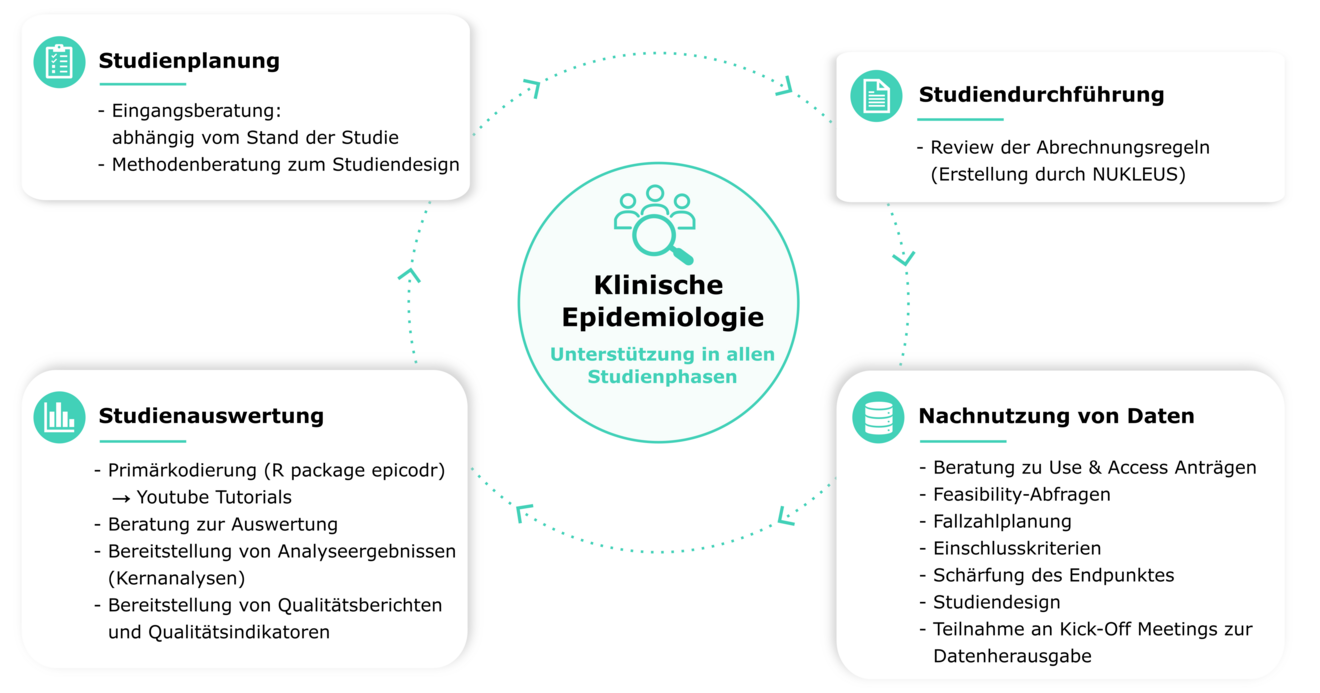
Establishment of a German register infrastructure for rare diseases; linking the TREAT register to NUM4Rare.
Role of NUM-MB:
Advice on linking external register data from the TREATgermany medical register with health insurance data.
NAPKON-POP follow-up
Role of NUM-MB:
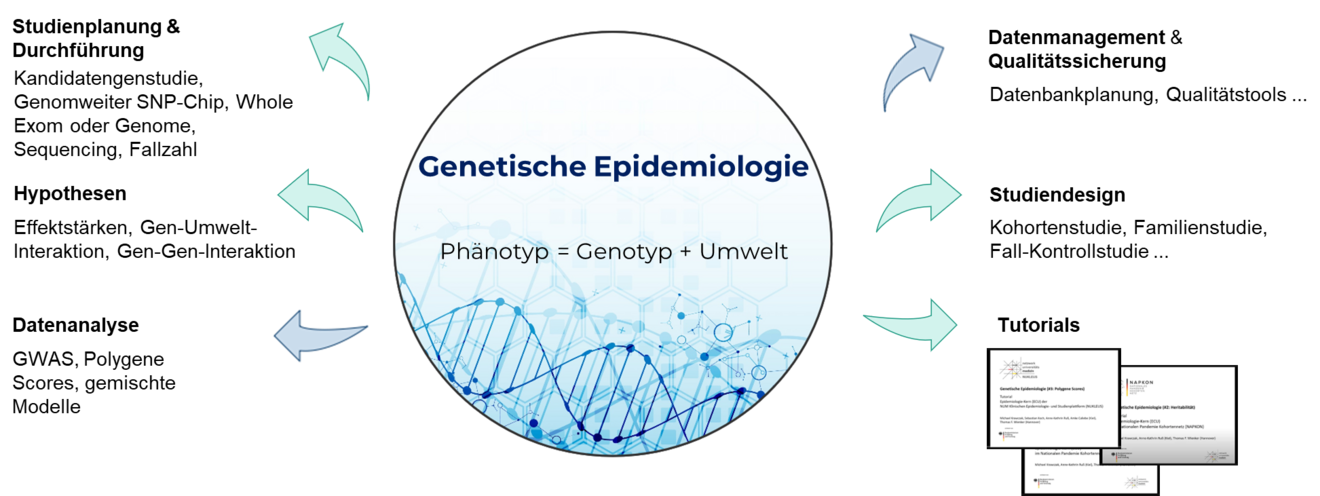
Methodological advice on linking with health insurance data
NUM-MB EC
NUM-MB role:
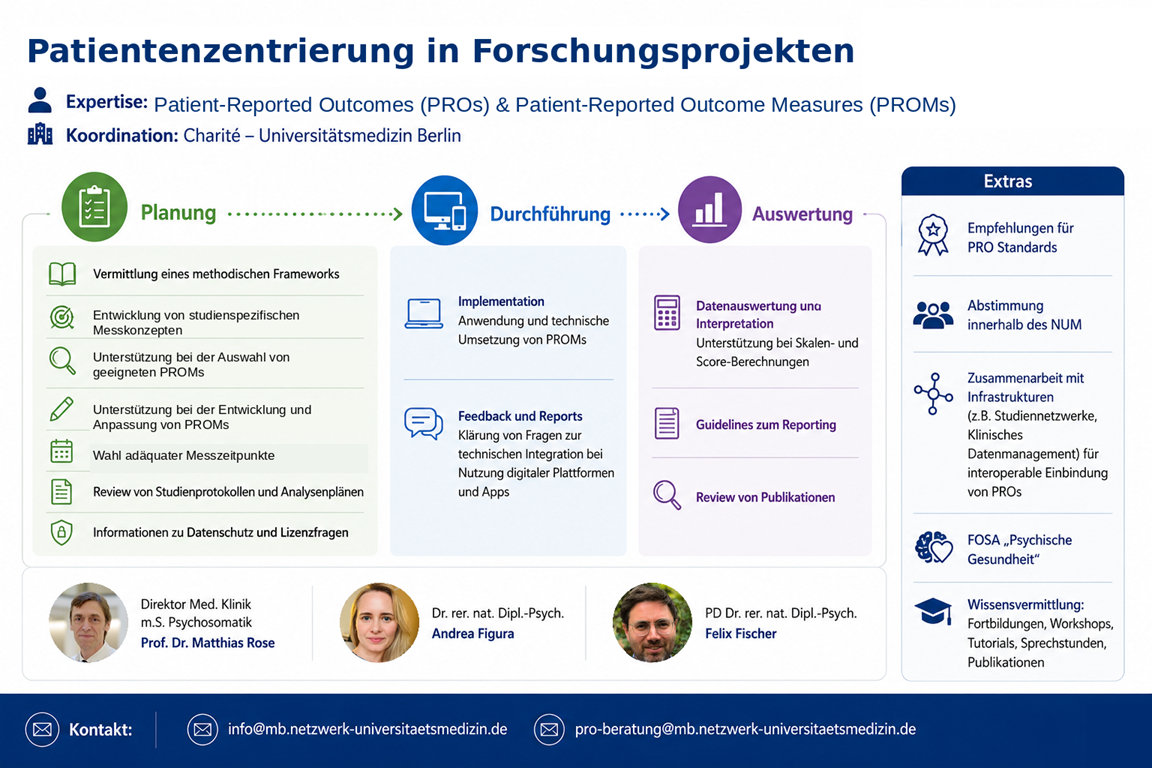
Advice on adapting patient information, consent and secondary use documents regarding the linkage of external data (health insurance funds, cancer registries, ePA)
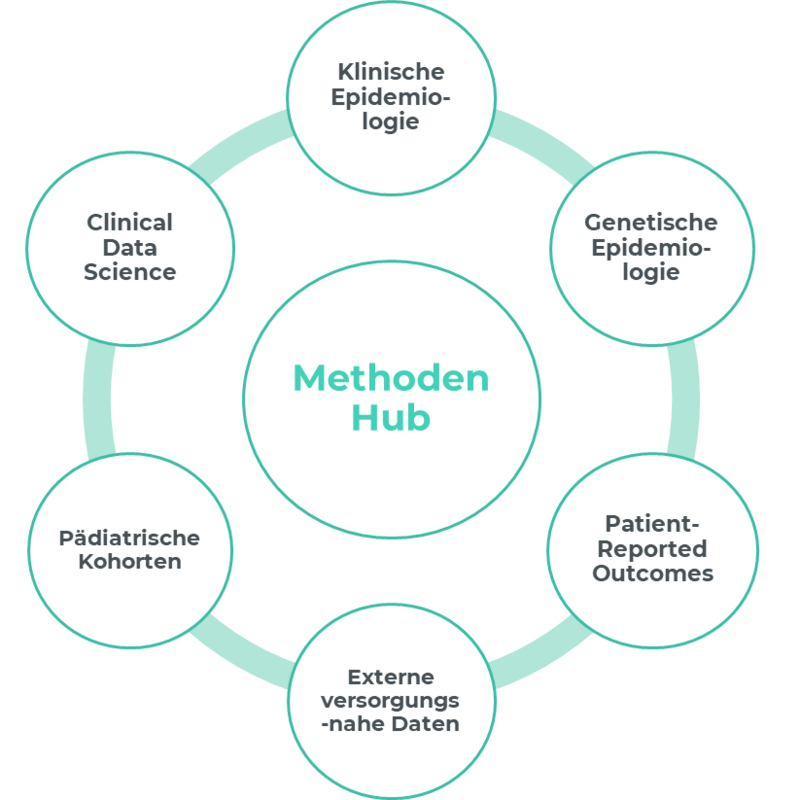
Paediatrics-specific methodological guidance for researchers within the NUM
- Members of the interdisciplinary team provide support with:
- individual planning
- implementation and
- evaluation of paediatric clinical epidemiological studies - The team also creates and develops:
- tutorials and webinars on paediatric-specific issues, as well as
- health apps for use in paediatric therapy and care
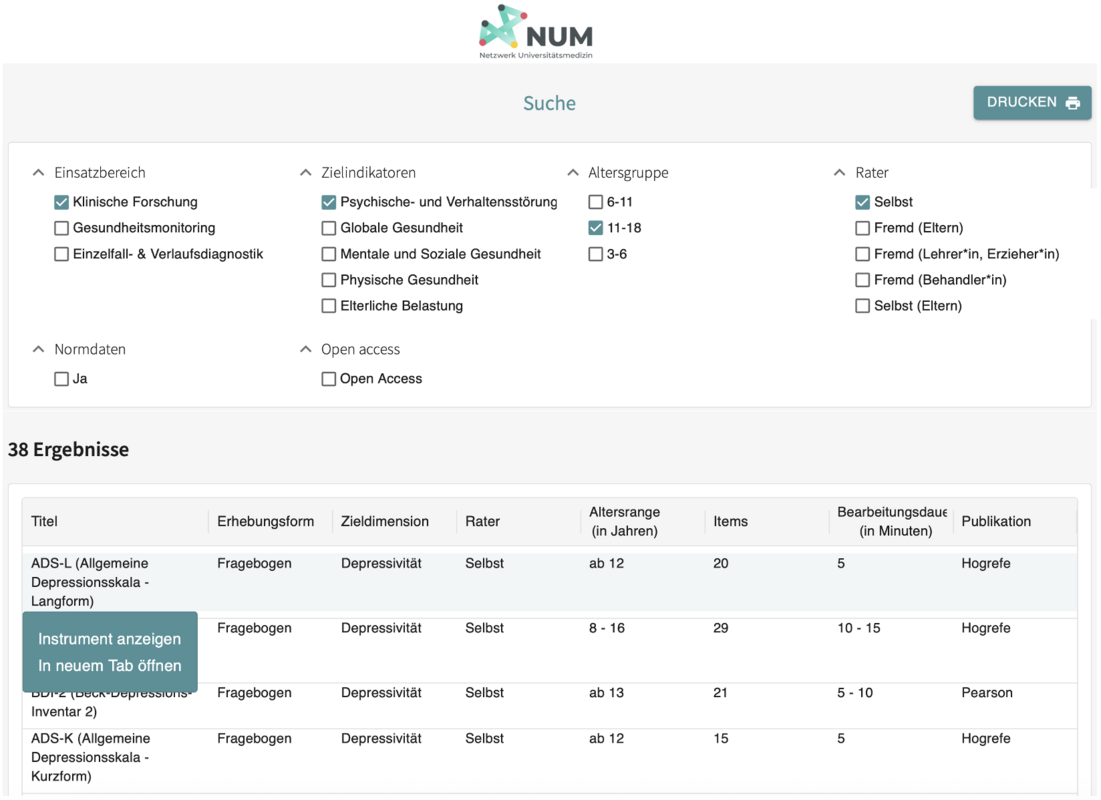
Methodology Toolbox:
A comprehensive toolkit of methods and instruments, comprising internationally standardised and established screening and diagnostic tools for assessing the health and clinical conditions of children and young people.
- Generative AI enables effective, resource-efficient structuring and classification of unstructured data
- Areas of application: data imputation, curation and augmentation; process automation; matching different data sets; metadata corrections
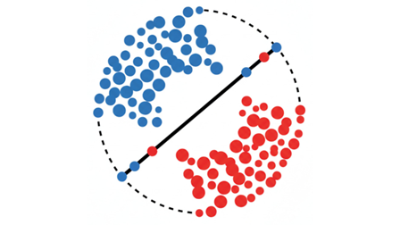
- Machine Learning enables the identification of non-linear and complex associations in complex models and, provided there is sufficient data, can be applied without prior knowledge (‘hypothesis-free’).
- Areas of application: classification and predictive models, causal inference

- Practical advice on the use of the latest Machine Learning and generative AI methods in relation to clinical and clinical-epidemiological data
- Assistance in identifying suitable project partners
| Project | Brief description | Role NUM-MB | Link |
|---|---|---|---|
| Systematic Review with LLMs | Investigation into the use of Large Language Models (LLMs) to partially automate systematic reviews | Expertise CDS | |
| GENIOBA | Support for the conduct of a systematic review (“Systematic Review on the Gender Gap in the Care of Patients with Impulse Control Disorders”) by Ruhr University Bochum using several Large Language Models (LLMs) | Expertise: CDS | |
| Dr LLM | Investigation into the diagnostic potential of Large Language Models (LLMs) to support clinical differential diagnoses in infectious diseases | Expertise CDS | |
| Mignomat | LLM-based process trust agency to improve data minimisation in the process automation of agent-based workflows | Expertise CDS |