


Method-Hub ECU
Method-Hub ECU
Please feel free to contact us for a free initial consultation
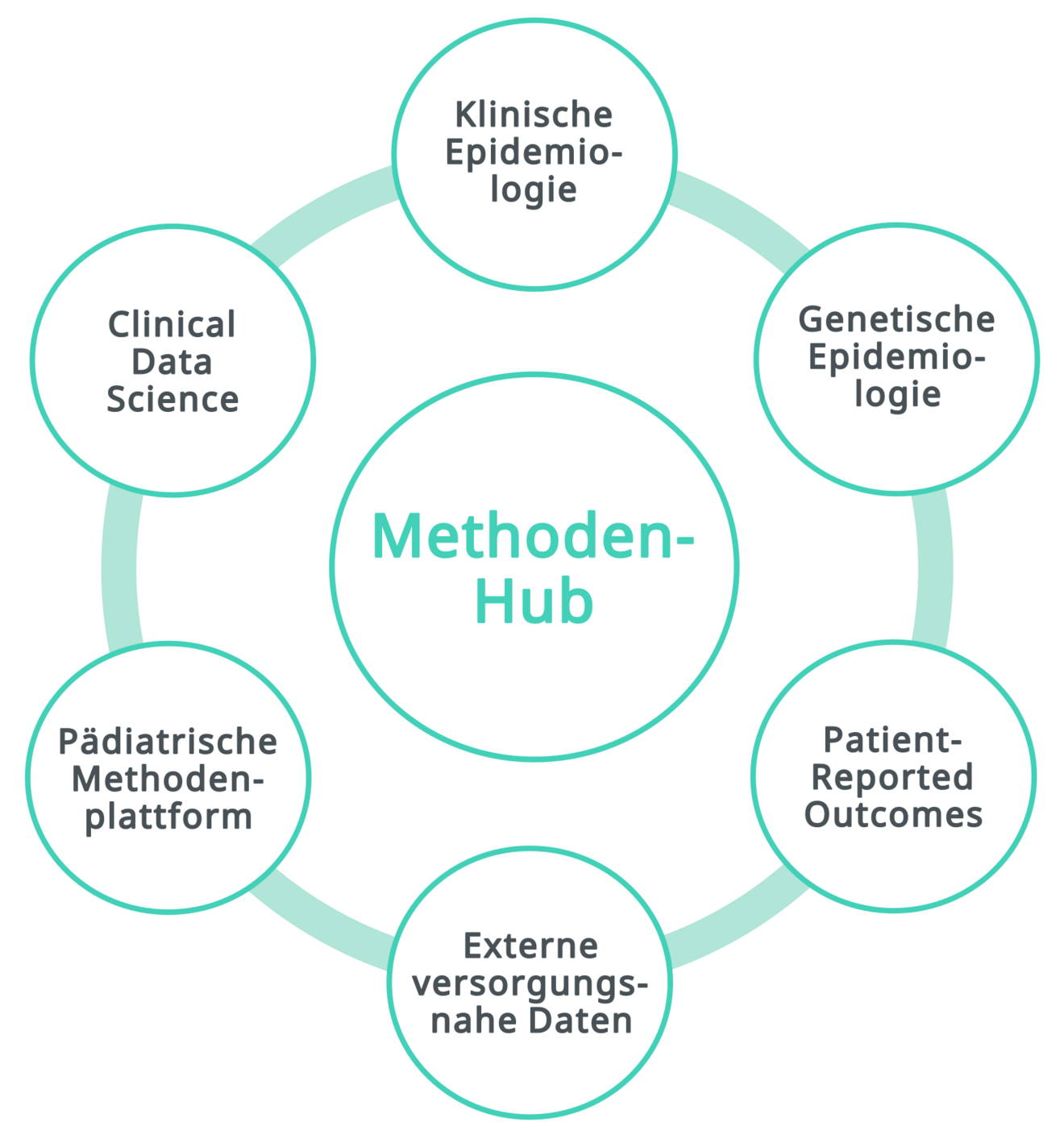
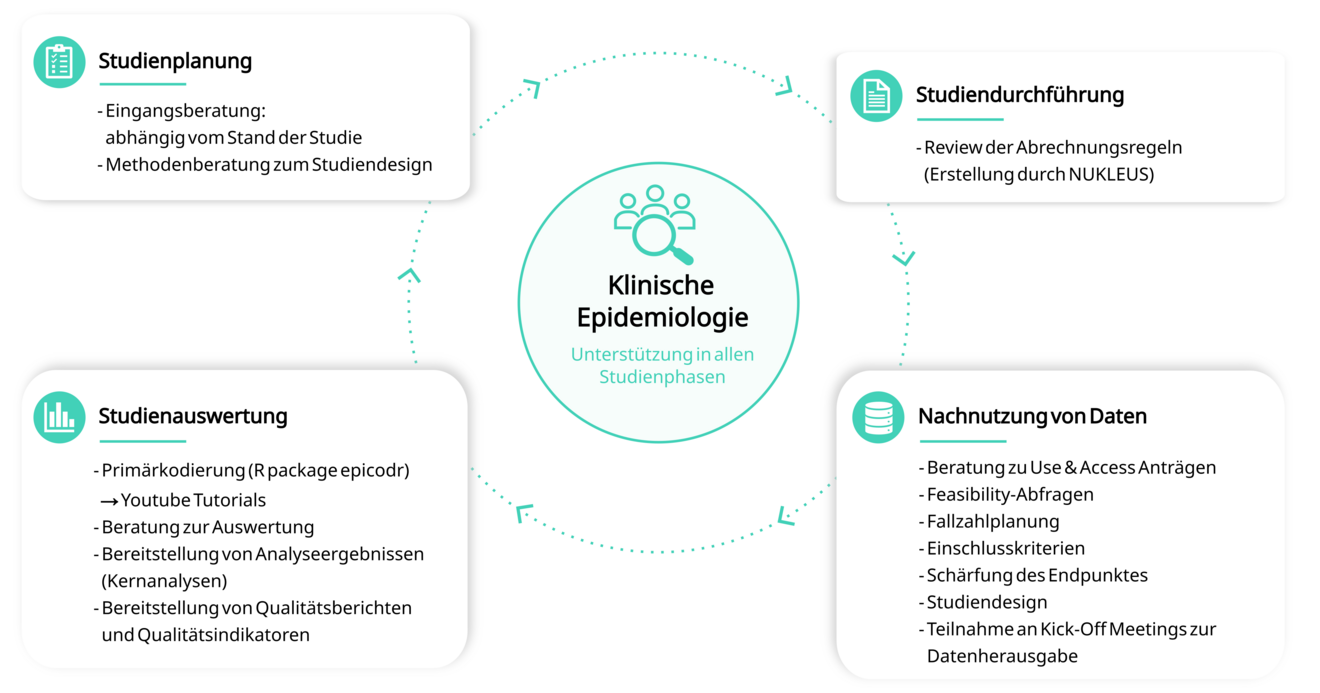
The aim of the Methods Hub (Epidemiology Core Unit, ECU) is to ensure a high standard of methodological quality in clinical and clinical-epidemiological studies. We offer consultancy services covering every stage, from planning through to implementation and analysis. In doing so, we enable:
- Ensuring robust study planning
- High-quality implementation of studies
- Methodologically sound analysis of study data
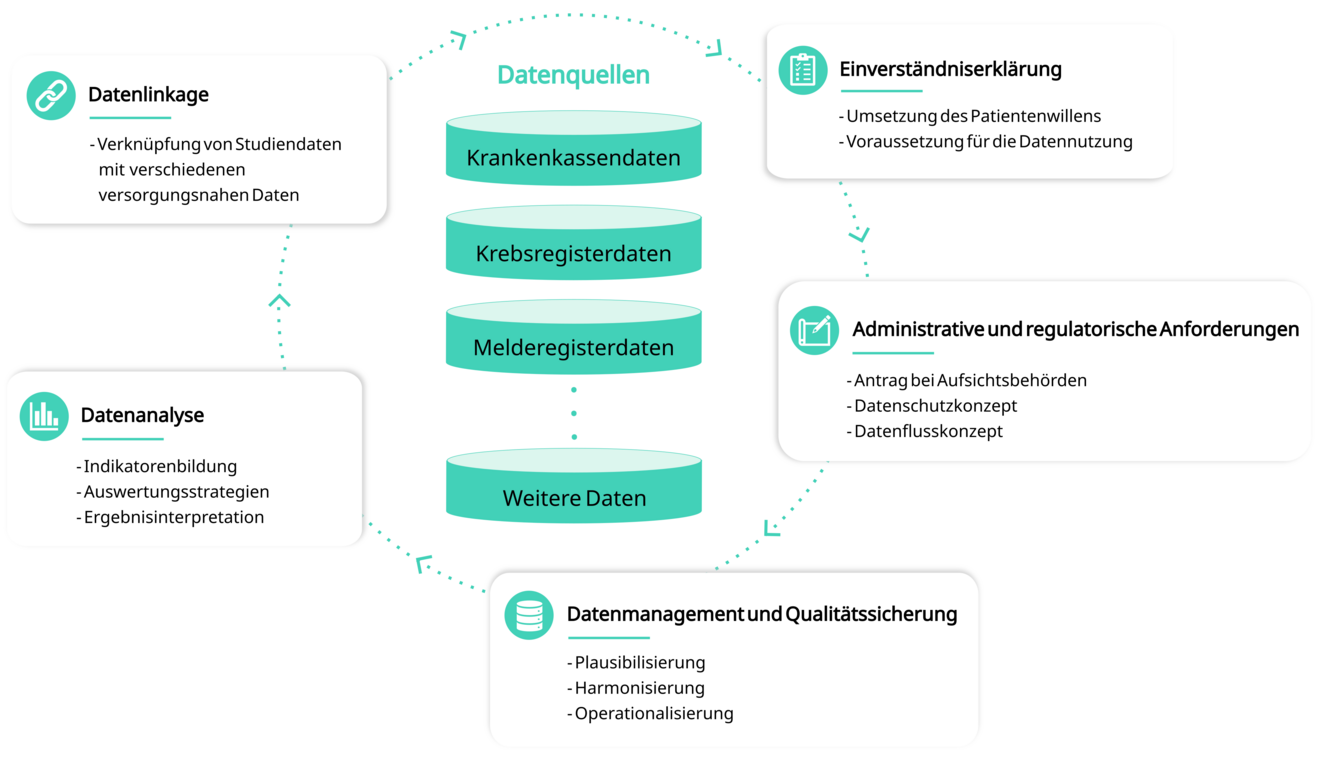
- Effective reuse of study data

The focus here is on non-regulated trials / clinical-epidemiological studies. For enquiries regarding regulated trials, please contact the KKS network or your local KKS/ZKS. NUKLEUS (APT-SU) can provide support for adaptive trial designs.
Expert reports
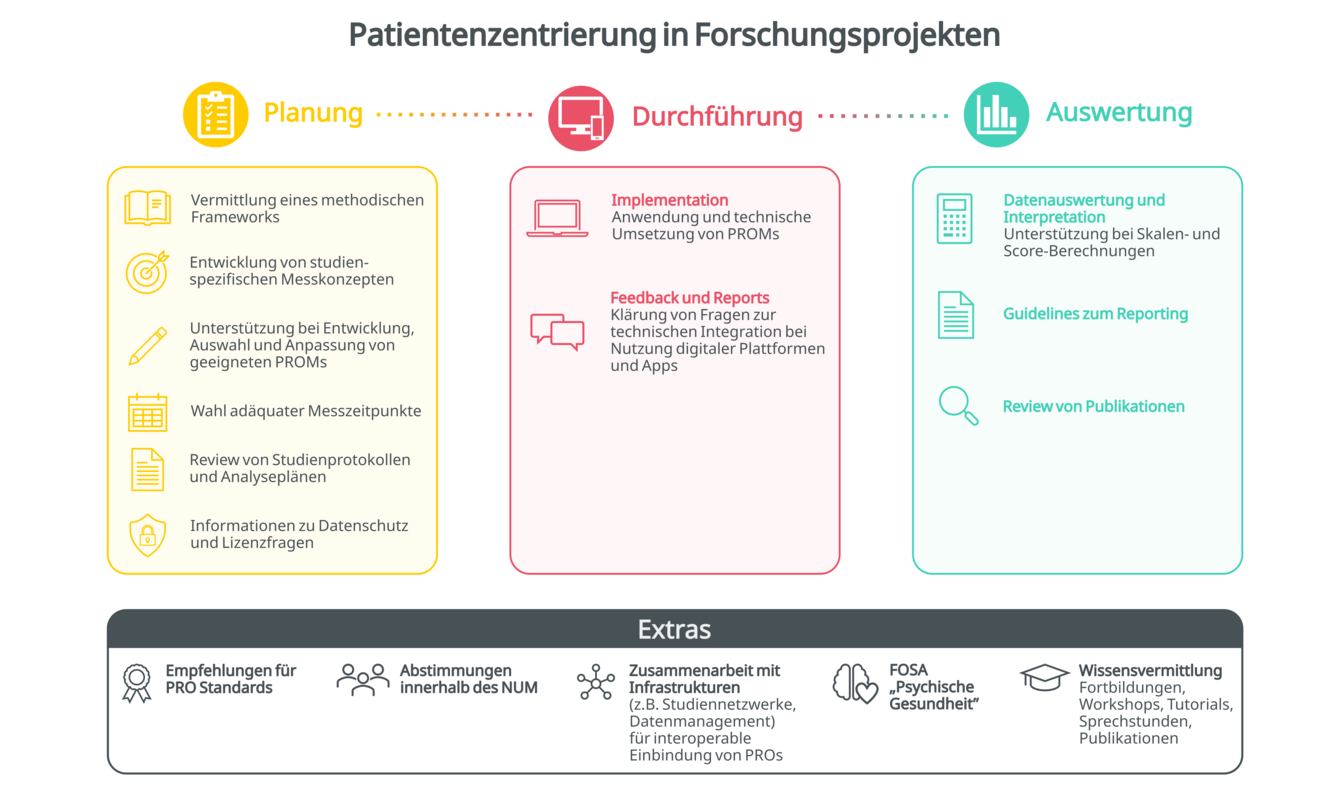
The NUM Methods & Biosamples Hub (NUM-MB) recommends a standardised, modular system for collecting patient-reported outcomes (PROs) within the NUM. This is based on a cross-disease core module using the PROMIS metric, an internationally recognised measurement system founded on modern test theory. It is supplemented by additional modules specific to particular diseases, interventions and contexts. The recommendation is aimed at all NUM researchers who wish to collect PROs in studies, registries, cohorts or healthcare projects in future in a psychometrically robust manner and in a way that is harmonised across specialist fields.
Paediatric-specific methodological advice for researchers within the NUM
- Members of the interdisciplinary team provide support with:
- individual planning
- implementation and
- evaluation of paediatric clinical and epidemiological studies - The team also creates and develops:
- tutorials, e .g. on the topicof ‘Measuring and evaluating PROs: health-related quality of life in children and adolescents’,
- webinars on paediatric-specific issues, as well as
- health apps for use in paediatric therapy and care
Methodology Toolbox:
A comprehensive toolkit of methods and instruments, comprising internationally standardised and established screening and diagnostic tools for assessing the health and clinical presentations of children and adolescents.
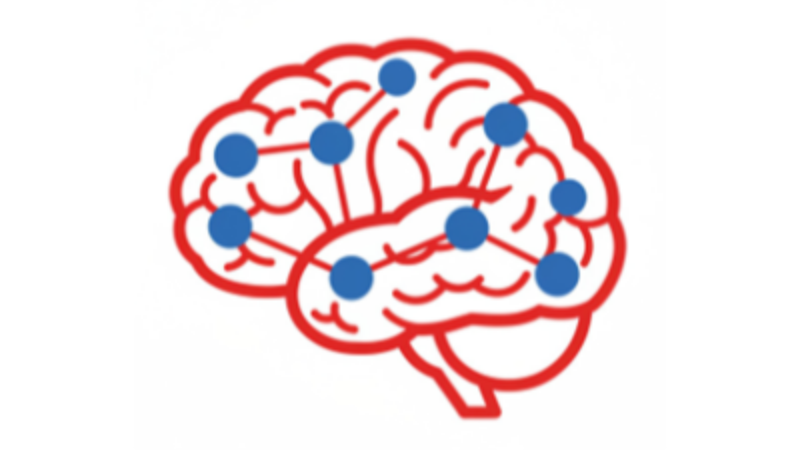
LLM-based classification
- Generative AI enables effective, resource-efficient structuring and classification of unstructured data
- Areas of application: data imputation, curation and augmentation; process automation; matching different data sets; metadata corrections
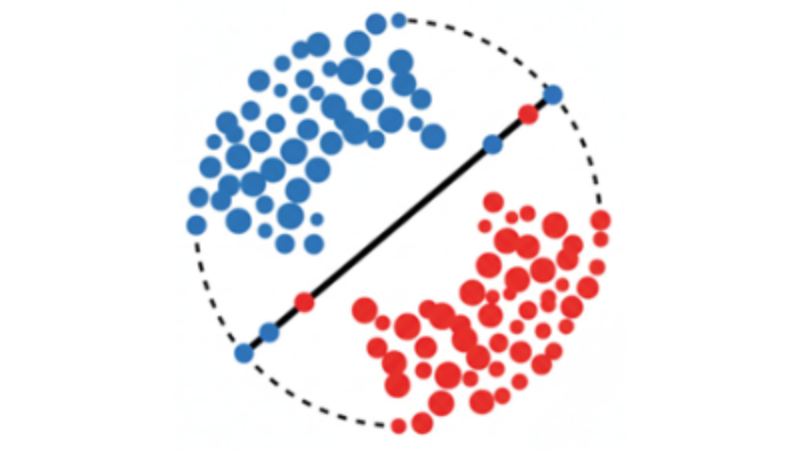
Data analysis using Machine Learning
- Machine Learning enables the identification of non-linear and complex associations in complex models and, provided there is a sufficient volume of data, can be applied without prior knowledge (‘hypothesis-free’).
- Areas of application: classification and predictive models, causal inference

Our services
- Practical advice on the use of state-of-the-art Machine Learning and generative AI methods in relation to clinical and clinical-epidemiological data
- Support in identifying suitable project partners