
Our heart forms in several phases in the early embryonic phase. It is rare for organs to be displaced in the body. Around one in 15,000 newborns is affected by this. In favourable cases, the organs are simply arranged in a mirror-inverted position without any major health problems to be expected. However, if the arrangement of the organs becomes completely disorganised, a so-called heterotaxy develops: the affected newborns often have severe heart defects.
Malfunction in the "cellular power stations"?
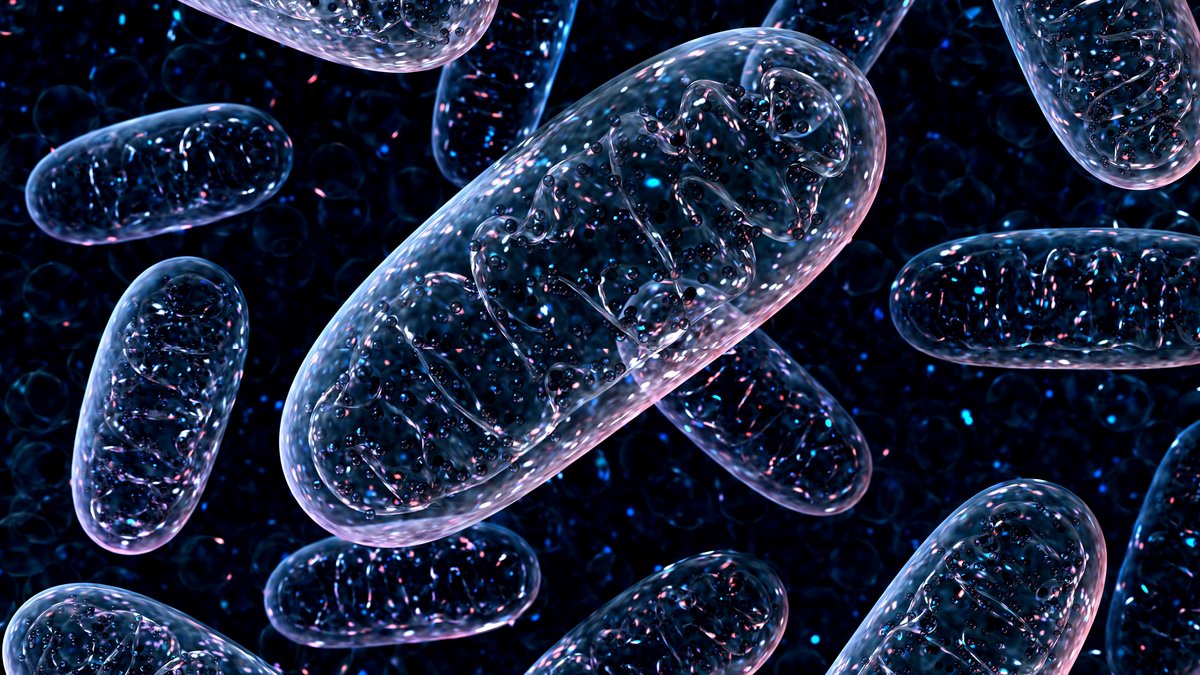
During the embryonic stage, tiny "antennae" on the cell surface ensure that the heart and organs are positioned in the "right place" and therefore asymmetrically to each other in the body. According to current research, these so-called cilia regulate the arrangement of the organs in the early embryonic phase. As part of a long-term study in cooperation with the Competence Network for Congenital Heart Defects, an international team of researchers led by Prof Dr Melanie Philipp and PD Dr Martin Burkhalter found decisive evidence that the formation of cilia is influenced by the mitochondria in the body's cells. This means that the "cellular power plants", which are only a few micrometres long, appear to be involved in the development of organ disorganisation. The mitochondria are referred to as such because they supply the cells with energy.
The scientists found that the blood cells of heterotaxy patients had a significantly lower number of mitochondria than those of healthy sample donors. In addition, they more frequently found specific gene mutations in those affected that lead to a disruption of mitochondrial function. Some of the samples analysed came from participants in the National Register for Congenital Heart Defects at the Competence Network for Congenital Heart Defects. The Central Biobank Charité (ZeBanC) is responsible for processing and storing the samples from the National Register and for DNA isolation.
Bridge between "antennae" and "power plant"
But how exactly do the activities of the cilia and the mitochondria interact in such a malformation? Under the electron microscope, the researchers were actually able to discover a physical connection between the "antennae" and the "power plants". "You have to imagine it like a small bridge. It consists of tubular protein structures known as microtubules," says Melanie Philipp, describing the picture that the researchers were able to see.
Disrupted "GPS"
At the same time, the scientists found another crucial clue when analysing the DNA samples from heterotaxy patients and in the studies on animal models. It turned out that the length of the antenna-like cilia is influenced by the "cell power plants": When mitochondrial function was lower, the cell surfaces had longer cilia. Their functionality was significantly reduced compared to the "healthy" cilia. "Everything indicates that it is the interaction between mitochondria and cilia that forms a kind of endogenous GPS for the arrangement of the organs. During embryonic development, the formation of an organ displacement obviously involves genetically misdirected biochemical communication processes that exert a fatal influence on the development and arrangement of the organs even before the heart is formed," says biologist Martin Burkhalter from the University of Tübingen, summarising the research team's conclusions.
Pioneering for diagnostics and treatment
The researchers assume that their findings could simplify the diagnosis of organ displacements and their secondary diseases. In the long term, this should also contribute to improved treatment options: "Until now, we have only been able to attribute hereditary diseases to dysfunctional cilia. Now we know that mitochondria also play an important role. This means that we can also focus our research and development efforts on specifically restoring the functionality of mitochondria," says Martin Burkhalter. This discovery could be a decisive key for the treatment of heterotaxy as well as for the treatment of other hereditary diseases.
Cooperation with the Charité Central Biobank (ZeBanC)
For meaningful research results in the field of congenital heart defects and heart diseases diagnosed in childhood and adolescence, scientists need suitable biosamples (e.g. blood or tissue). The Competence Network for Congenital Heart Defects works closely with ZeBanC, where samples from more than 8,000 donors are collected, processed and stored in a standardised manner in accordance with the highest scientific standards and under ISO-certified conditions.
Picture credits: Adobe Stock