

Biobanks have different orientations
German universities and research institutions have biobanks with different focal points. Depending on the biobank's focus, a distinction is usually made between clinical and population-based biobanks. We explain what is behind this here.
German universities and research institutions have biobanks with different focal points. Depending on the biobank's focus, a distinction is usually made between clinical and population-based biobanks. We explain what is behind this here.
Some biobanks focus on very specific diseases, others are designed in such a way that they can be used for a wide variety of research purposes. Clinical biobanks are usually dedicated to researching specific diseases, whereas population-based biobanks investigate the disease dispositions of many people in the population.
Clinical biobanks support research into diseases
What are the causes of diseases such as cancer, diabetes or multiple sclerosis? How do these diseases progress? Are there factors that influence their progression? Clinical biobanks collect, process and store blood, tissue or other biosamples from patients and can link these with the patient's associated clinical information. Scientists and doctors can obtain important information about various diseases from these biosamples and data and derive new diagnostic and therapeutic approaches.
Many clinical biobanks are integrated into university hospitals as so-called centralised biobanks. In centralised biobanks, almost all biosample collections of a university hospital are brought together in one place. Centralised biobanks work under strictly controlled conditions in order to provide very high quality biosamples and data for research. They work under legally secure and ethically tested conditions to guarantee data security and the protection of sample donors.
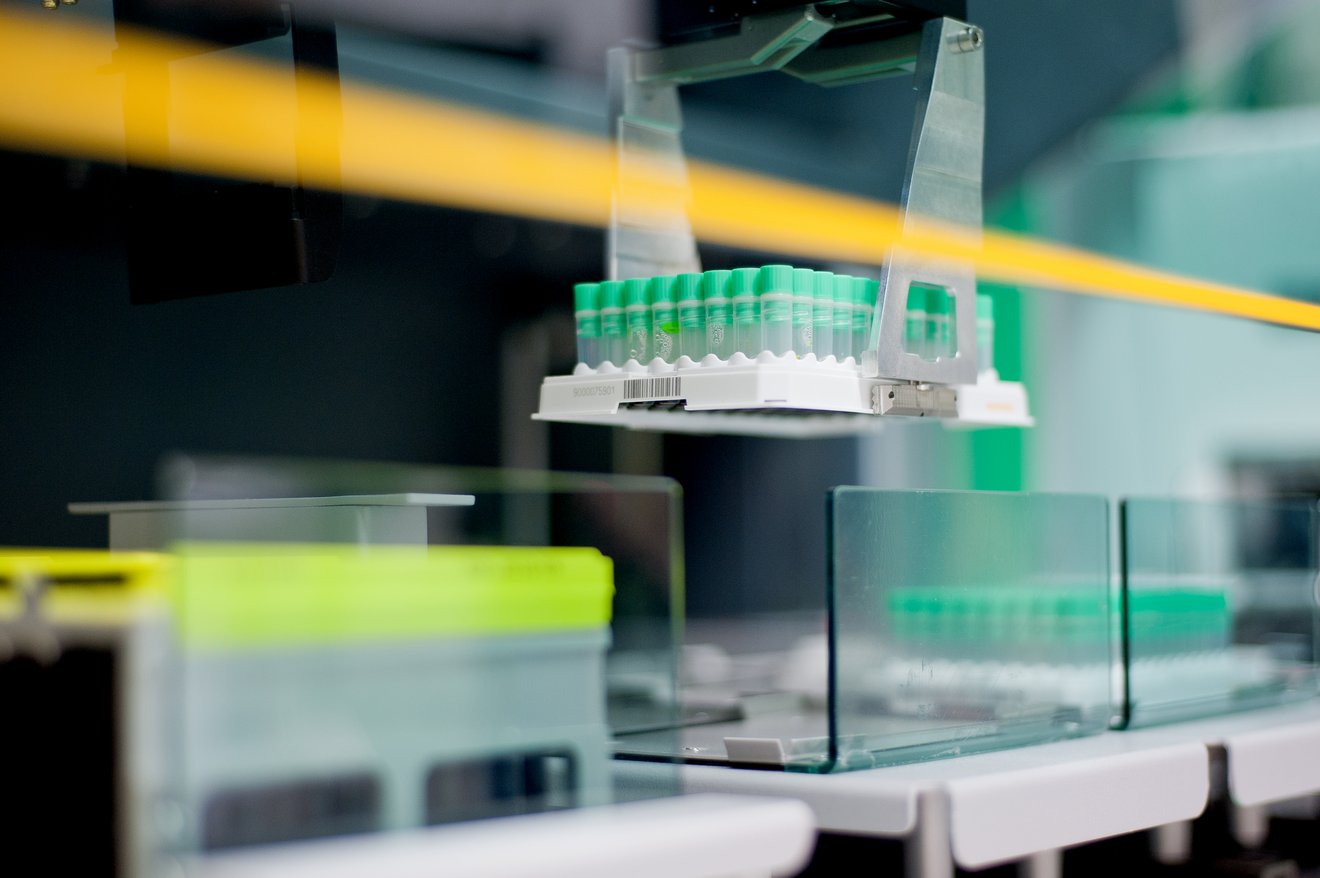
The Hannover Unified Biobank (HUB) was founded in 2012 as the biobank of Hannover Medical School (MHH). As a central biobank, it stores a large proportion of the biosample collections from the institutes and clinics of Hannover Medical School (MHH). There are currently around 1.5 million biosamples from clinical routine, research and clinical studies. These include tissue, cells, microorganisms and body fluids. With its high quality and safety standards in sample processing, storage and data management, it sets high standards in biobanking and makes a significant contribution to progress in modern medicine.
Population-based biobanks help to analyse the health of the population
Why does one person fall ill while another remains healthy? What influence do the environment, social environment or diet have? Or are genes responsible? Population studies collect data and biosamples from healthy people in order to investigate the exact relationships between these factors. The biosamples are collected in the associated biobanks and stored for many years. KORA and POPGEN are two examples of population-based biobanks, which we briefly present here. Population-based biobanks also work under legally secure and ethically tested conditions to ensure data security and the protection of sample donors.
The large population study KORA has been collecting biosamples since the late 1980s as part of a population-based biobank, which is located at the Helmholtz Munich - German Research Center for Environmental Health. The abbreviation stands for "Cooperative Health Research in the Augsburg Region." Healthy people are examined over several decades as part of KORA and it is observed whether they remain healthy or develop diseases. Scientists use the biobank to research the genetic background of cardiovascular diseases, diabetes, allergies, chronic lung diseases and skin conditions.
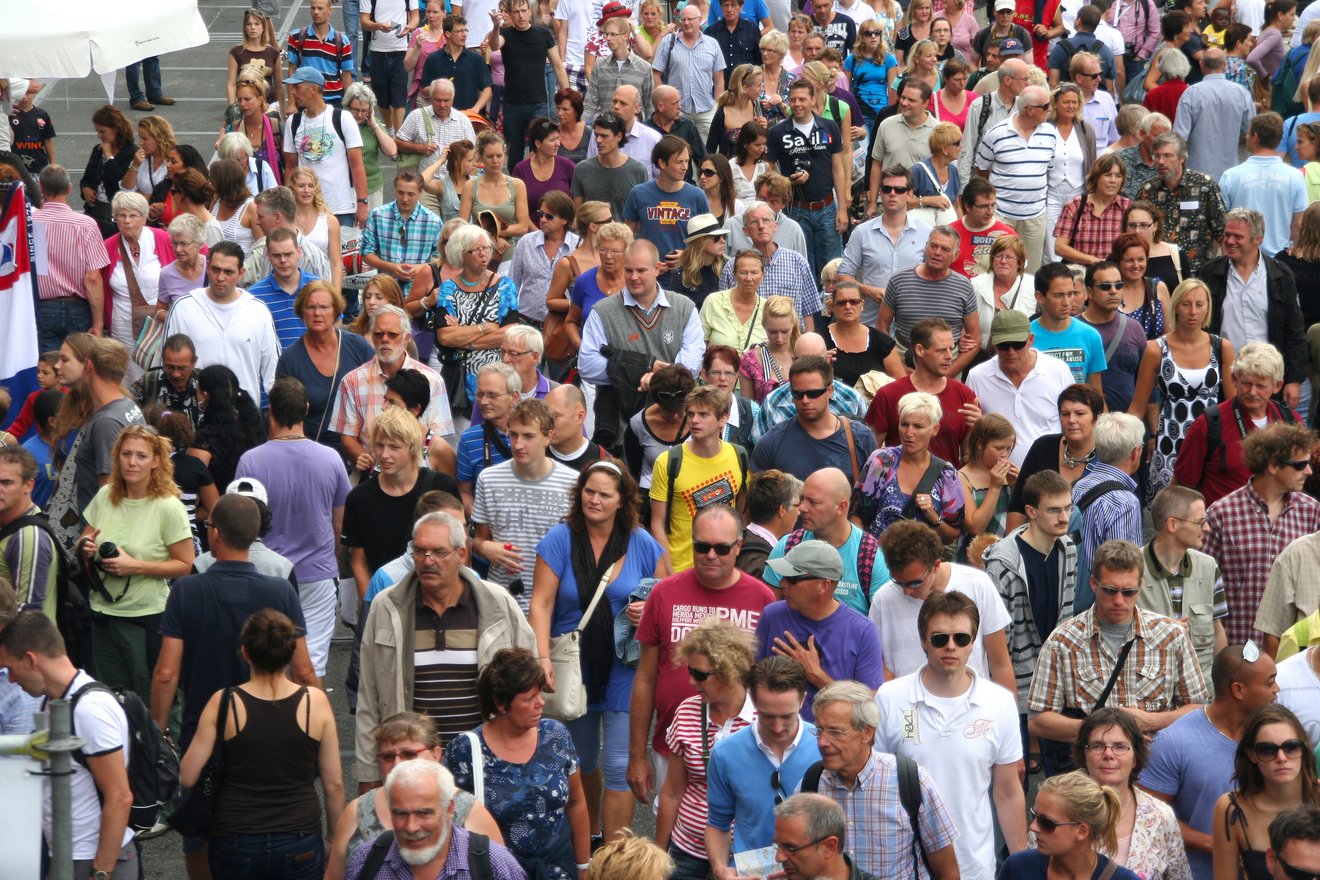
The NAKO Health Study (NAKO for short) is a nationwide health study that was launched in 2014. The NAKO involves 200,000 people who undergo health checks over many years or even decades as part of the study. The aim of this research project is to better understand the development of diseases such as cancer, diabetes and heart attacks in order to improve prevention, early detection and treatment in Germany. Why does one person fall ill while another stays healthy? This is the central question that NAKO wants to answer.