

Highly automated, connected and safe
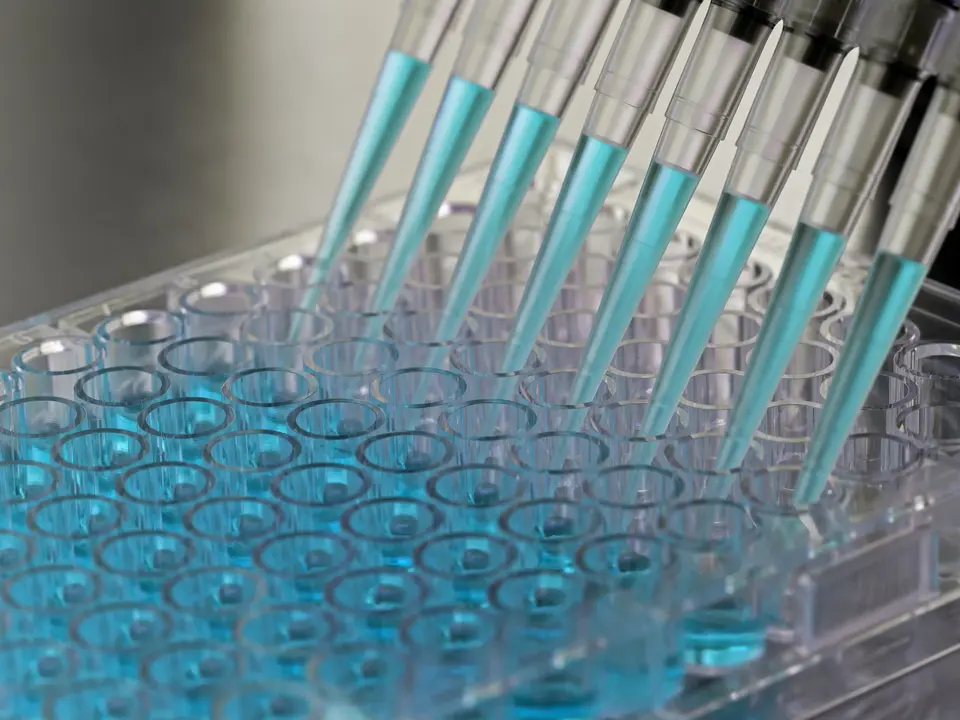
Modern biobanks, such as those used in biomedical research today, are state-of-the-art, robot-controlled cold storage facilities that are linked to powerful databases. In the future, these will be increasingly networked so that samples can be used for research throughout Europe.
"I would like to conduct a study on the causes of bowel cancer and need tissue from certain bowel tumours and the associated clinical information. Can you help me further?" Enquiries from researchers and scientists are part of a biobank's daily business. They use biobanks to realise their research projects with suitable, high-quality biosamples and the associated clinical data.
In the search for the causes of complex diseases, samples and data from biobanks are an enormously important source for researchers today. If someone wants to use biosamples from a biobank, the biobank checks with each request whether the desired samples are available in sufficient quantity and quality and can be released.
Modern centralised biobanks: the basis for scientific progress
The days when small collections of biosamples were stored at many different locations within a clinic without controlled conditions are increasingly becoming a thing of the past. Modern biobanks are operated in a highly professional manner. With medical progress and the rapid development of precision medicine, the requirements for high-quality samples and associated data have increased considerably. Today, most university hospitals in Germany have centralised biobanks that operate according to the highest scientific standards with modern equipment and devices. The biosamples are stored in deep-freeze units at temperatures as low as -160 degrees Celsius and are monitored around the clock. If a cooling system fails, an emergency plan is immediately put in place to prevent a cooling interruption.
Because biobanks enable progress in medicine and science in many areas, the Federal Ministry of Education and Research (BMBF) has invested around 50 million euros in the establishment and networking of biobanks at German university hospitals in recent years. With the GermanBiobank Node, a national Coordination Office was established in 2014, which acts as a central point of contact for all biobank matters and manages the networking of biobanks with each other.
Robots help with the processing, storage and retrieval of samples. The degree of automation and standardisation of biobanks is increasing in line with the requirements of medical and scientific research.
Highly specialised teams are responsible for the processes in a biobank
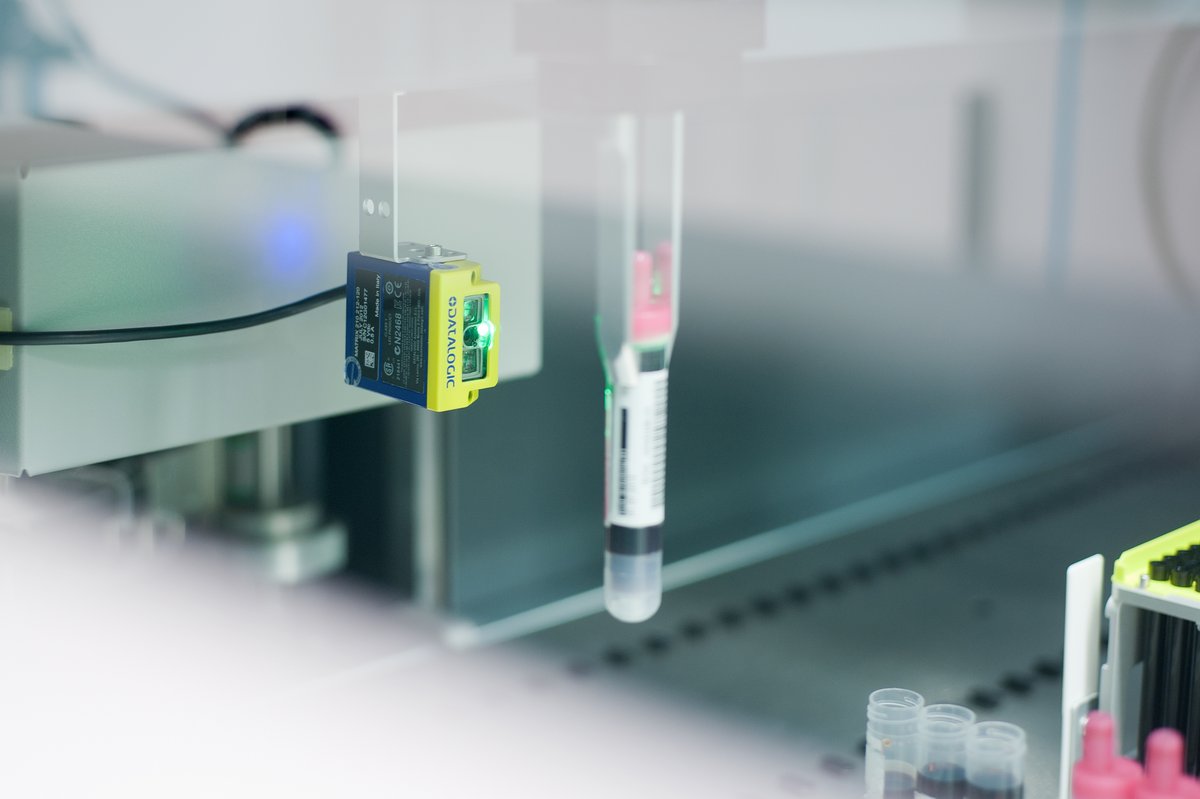
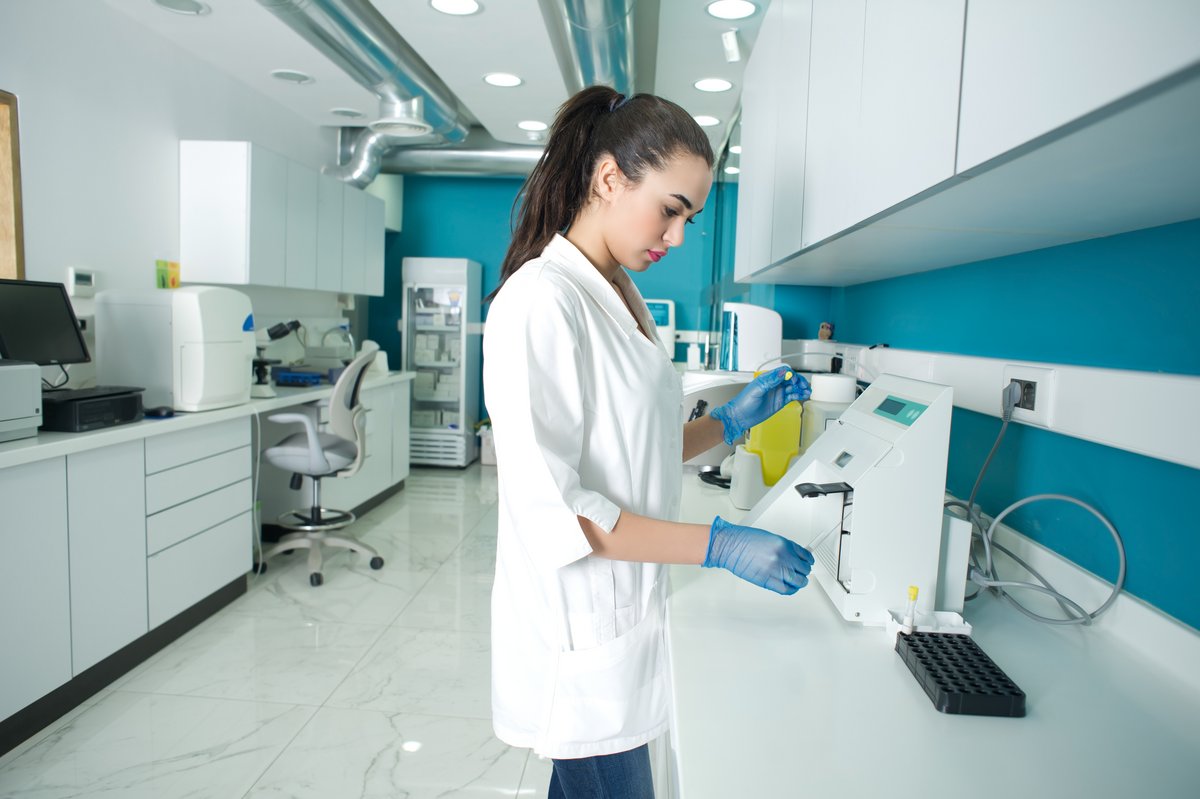
Biobank and quality management experts, IT specialists and specially trained technical staff ensure that the biosamples are processed, stored and released in the highest quality. Modern technology is now used in most large biobanks. Automated transport systems ensure that the biosamples are stored as quickly as possible after collection. Incoming biosamples are automatically registered, coded and usually processed further with the help of robots. Robots also ensure the automated storage and retrieval of biosamples from deep-freeze storage.
Who monitors the work of biobanks?
Medical ethics committees advise both the biobank itself and those responsible for any research project that wishes to use samples from the biobank. Ethics committees are independent advisory bodies in the healthcare sector that represent the rights and safety of patients and test subjects. They therefore protect the donors, represent their interests and check that there are no ethical or legal objections.
Before biosamples and data from a biobank can be released for research, an internal allocation committee made up of various experts must also give its approval. Biobanks are also subject to strict data protection regulations, which ensure that unauthorised persons cannot draw any conclusions about sample donors.