

Biobanks are the basis of modern medicine
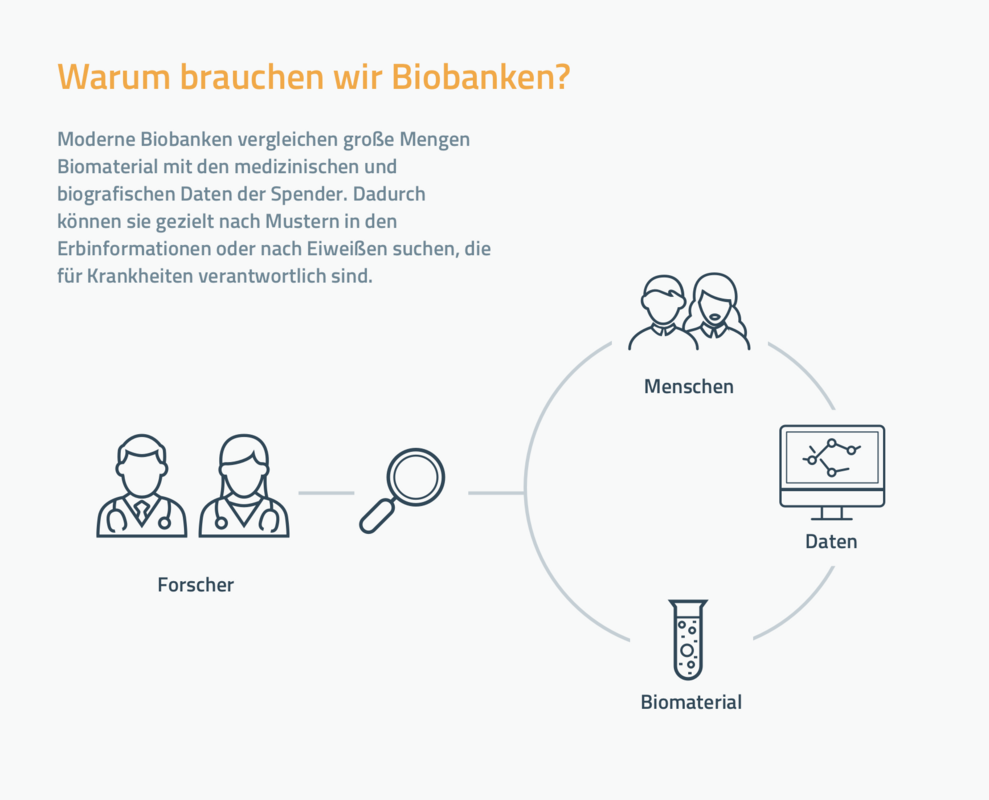
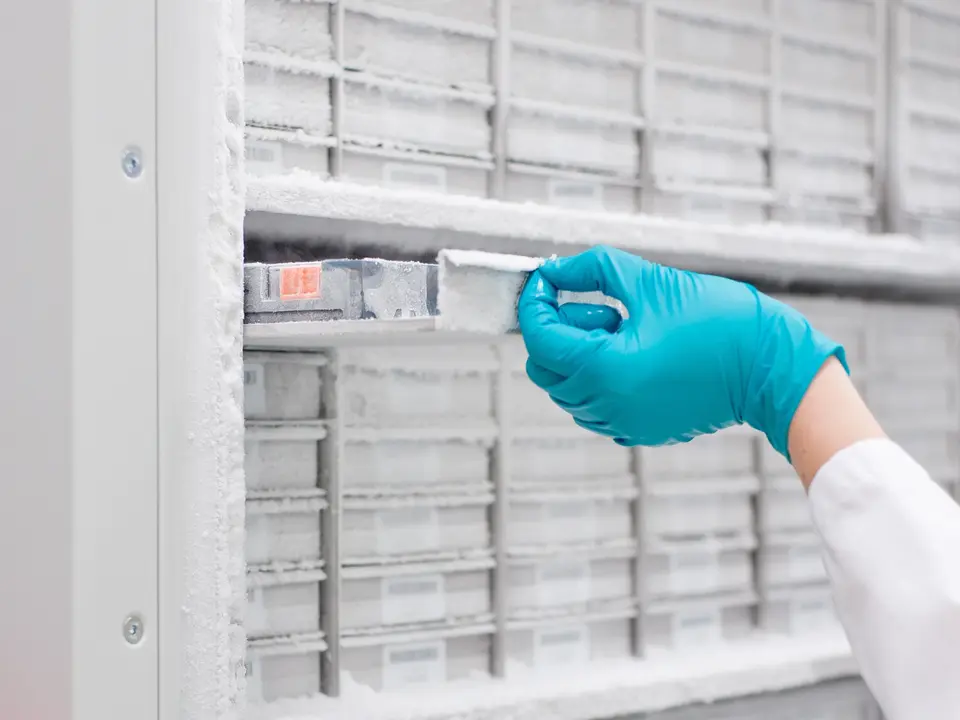
Biobanks have nothing to do with conventional banks. They do not store money or gold, but blood, tissue samples, genetic material (DNA) or various bodily fluids. This is summarised as human biological material.
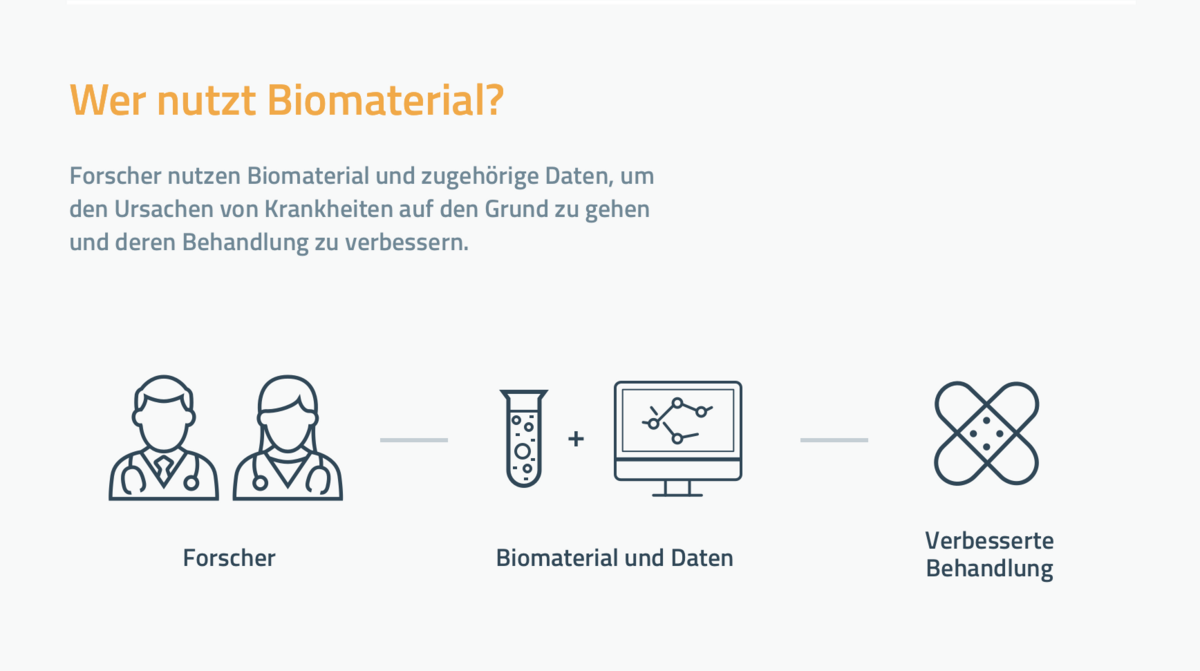
A biobank collects, processes and stores biosamples and makes them available for medical research together with a donor's medical information under clearly regulated legal and ethical conditions. The primary aim of a biobank is to ensure that diseases are optimally recognised and treated through better diagnostics.
Due to their enormous importance for science and research, biobanks have become the beacon of hope for medicine in the 21st century. TIME Magazine lists biobanks as one of ten developments that will change the world.
Biobanks can be found in almost all university hospitals and at many publicly and privately funded research institutions. According to the European biobank organisation BBMRI-ERIC (Biobanking and BioMolecular resources Research Infrastructure - European Research Infrastructure Consortium), there are more than 500 in Europe alone, where many millions of biosamples are stored.
"Biobanks are an important prerequisite for modern medical research, which is why almost all research-based medical institutions maintain biobanks today," explains Prof Michael Hummel, coordinator of the German Biobank Node.