
Since mid-2020, 443 participants between the ages of 45 and 74 have been examined as part of the Hamburg City Health Study (HCHS) after surviving SARS-CoV-2 infection with only mild symptoms. Ten months after the infection, doctors and scientists examined the cardiovascular and vascular system, the lungs, the kidneys and the brain for function, structure and possible consequential damage. They compared this data with that of 1,328 participants in the HCH study of similar age, gender and educational status who had not contracted COVID-19.
Signs of medium-term organ damage
The researchers found signs of medium-term organ damage in the test subjects after surviving the SARS-CoV-2 infection. In the lung function tests, they documented a reduction in lung volume of around three per cent and a slightly increased airway resistance. The heart examinations revealed an average decrease in pumping power of one to two per cent and a 41 per cent increase in a marker protein in the blood, which provides information about the strain on the heart. A key result of the analysis was that ultrasound examinations of the legs revealed two to three times more signs of past leg vein thrombosis. The scientists also found a decrease in kidney function of around two per cent in the test subjects. "The finding that even a mild course of the disease can lead to damage to various organs in the medium term is extremely significant, especially with regard to the current Omikron variant, which appears to be associated with milder symptoms in the majority of cases," said Prof. Dr Raphael Twerenbold, Scientific Study Centre Director and cardiologist at the UKE's University Heart and Vascular Centre, and first author Elina Petersen, epidemiologist at the UKE's Epidemiological Study Centre. The study results were published in the renowned European Heart Journal.
Professional biobanking
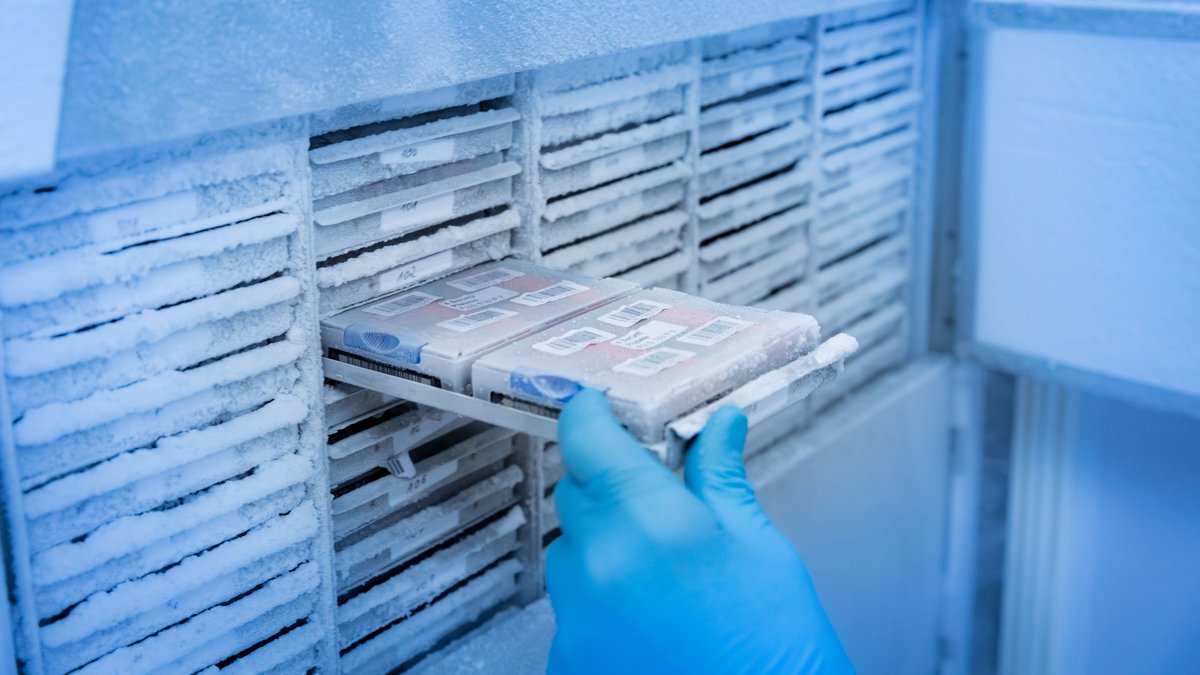
The HCHS biobank of the Epidemiological Study Centre at the UKE, a member of the UKE biobank network, was responsible for biobanking the study. The employees processed the various biosamples here and stored them at -80°C or in liquid nitrogen. "In our biobank, we work in a quality-assured manner - creating optimal conditions for subsequent analyses," says Prof. Dr Tanja Zeller, Head of the HCHS biobank in the UKE biobank network. The biobank network at the UKE consists of a total of four established biobanks with different clinical specialisations and has been an observer of the German Biobank Alliance (GBA) since 2021.
Recognising and treating secondary diseases at an early stage
Even minor short-term deteriorations in heart function after a SARS-CoV-2 infection, for example, could pose a risk in the long term. "The results enable us to identify possible organic secondary diseases at an early stage and initiate the appropriate therapeutic measures," says Prof. Dr Stefan Blankenberg, HCH study leader and Medical Director of the University Heart and Vascular Centre at the UKE.
About the Hamburg City Health Study
The Hamburg City Health Study (HCHS) is the largest local health study in the world. A total of 45,000 Hamburg residents aged between 45 and 74 are to be examined over a long period of time in order to identify the risk factors for common diseases such as heart attack, atrial fibrillation, stroke, dementia and heart failure. The aim of the 30 UKE clinics and institutes involved is to develop individualised treatment options and targeted prevention. To date, around 16,000 Hamburg residents have been analysed.
Source: An original version of this text appeared as a press release from the University Hospital Hamburg-Eppendorf (UKE).
Picture credits: Axel Kirchhof/UKE
Scientific publication
Elina Petersen et al, Multi-organ assessment in mainly non-hospitalised individuals after SARS-CoV-2 infection: The Hamburg City Health Study COVID program. Eur. Heart J., 2022. DOI: https: //academic.oup.com/eurheartj/article-lookup/doi/10.1093/eurheartj/ehab914