

Phytosterols are ingested with food, for example with nuts or vegetable oils. The lipid compounds are artificially added to some foods such as yoghurt or margarine in high doses, as they are structurally similar to cholesterol and inhibit its absorption in the intestine. This leads to a reduction in cholesterol levels. However, this similarity to cholesterol means that phytosterols can also be stored in the walls of blood vessels. The amount of phytosterols absorbed by the body depends on individual genetic factors.
Blood samples from 10,000 test subjects analysed
In order to shed more light on the role of phytosterols in connection with genetic predispositions, the Leipzig scientists and their colleagues analysed blood samples from almost 10,000 test subjects. "It turns out that phytosterols can directly increase the risk of coronary heart disease, in addition to the effect of cholesterol," says study leader Prof Dr Markus Scholz from the Institute of Medical Informatics, Statistics and Epidemiology (IMISE) at Leipzig University. "Although this does not yet lead to a direct conclusion regarding the addition of phytosterols to food, high phytosterol concentrations are a risk factor that should be taken into account." The study results were published in the renowned journal "Nature Communications".
Starting points for new drugs discovered
The scientists identified a total of seven regions in the genome that are associated with phytosterol concentrations in the blood, five of which were previously unknown. Using bioinformatic analyses, they were able to derive plausible candidate genes, i.e. genes with a biological effect in sterol metabolism, for all regions. "This considerably expands our understanding of the genetic regulation of phytosterol concentrations in the blood. These genes and their products and functions represent potential targets for future drug developments," says Prof Dr Scholz.
Basis: Biosamples from LIFE studies
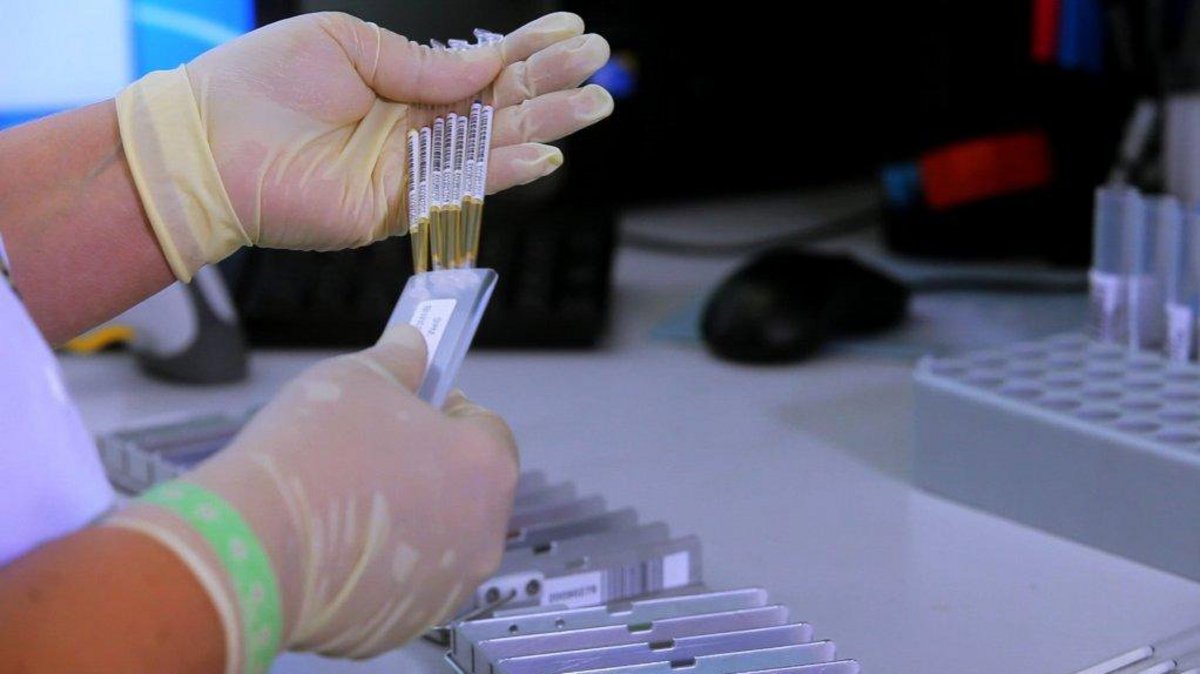
The majority of the blood samples examined came from cohorts of the Leipzig Research Centre for Civilisation Diseases (LIFE). The Leipzig Medical Biobank (LMB), which also provided scientific support for the study, is responsible for the biobanking of these samples. The LMB is a state-of-the-art biobank for the quality-assured collection, processing, storage and provision of biosamples and has been a partner in the German Biobank Network (GBN) since 2017. "Thanks to the very good characterisation of the test subjects, epidemiological studies such as LIFE form an essential basis for investigating relationships between genetic and non-genetic risk factors and the occurrence of diseases," says Dr Ronny Baber, Head of the LMB. "Thanks to standardised processes, we at the Leipzig Medical Biobank ensure optimum quality for the biosamples that are so important for this. The excellent research results show that our work is worthwhile."
Source: An original version of this text was published as a press release by Leipzig University
Picture credits: Leipzig Medical Biobank
Scientific publication
Markus Scholz et al. Genome-wide meta-analysis of phytosterols reveals five novel loci and a detrimental effect on coronary atherosclerosis. Nat Commun 13, 143 (2022). DOI: 10.1038/s41467-021-27706-6 https://www.nature.com/articles/s41467-021-27706-6