

How can we create a research platform that is open, sustainable and developed with patients’ needs in mind?
This key question shaped the NUM Convention 2026, which took place for the third time at the bcc in Berlin over the past few days.
To kick things off, Dorothee Bär, Federal Minister for Research, Technology and Space, delivered an inspiring welcome address to the participants. In her speech, she emphasised the international significance of NATON (video link)– a great endorsement of the creativity and visibility of the entire network. The event then got underway with a diverse range of sessions and a dynamic exchange within the community.
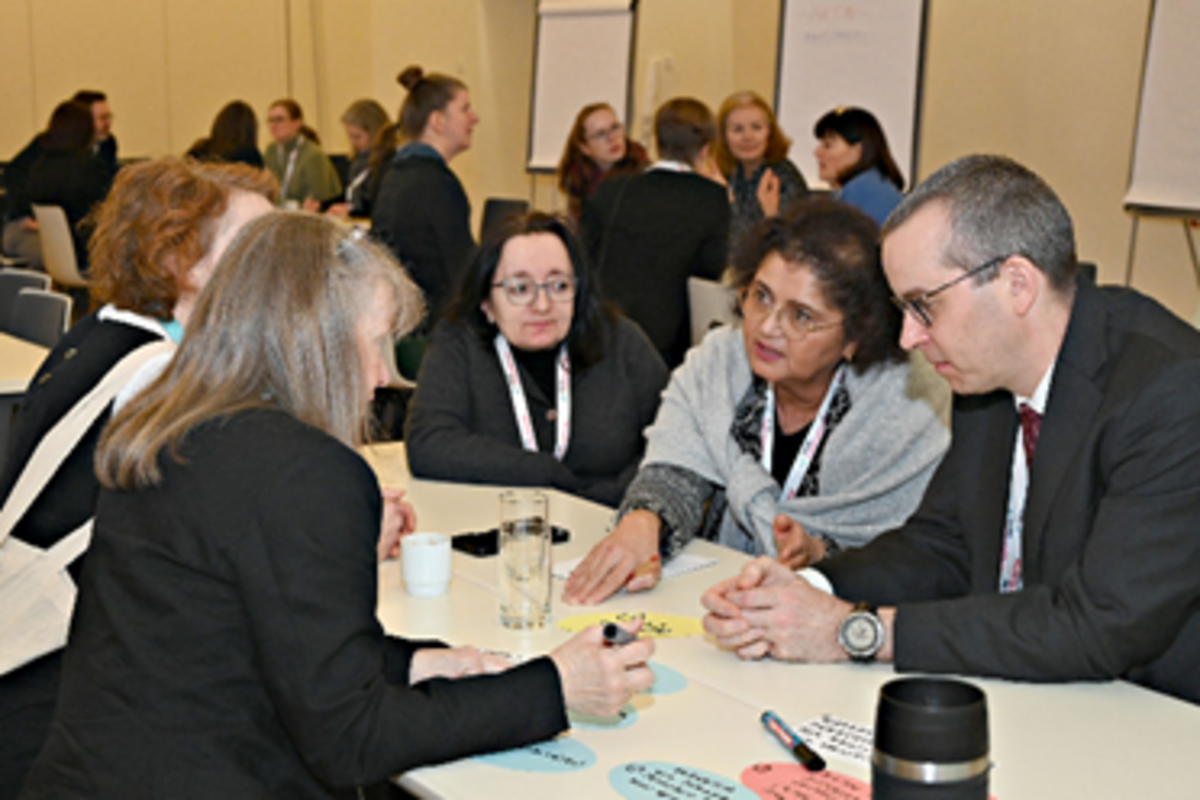
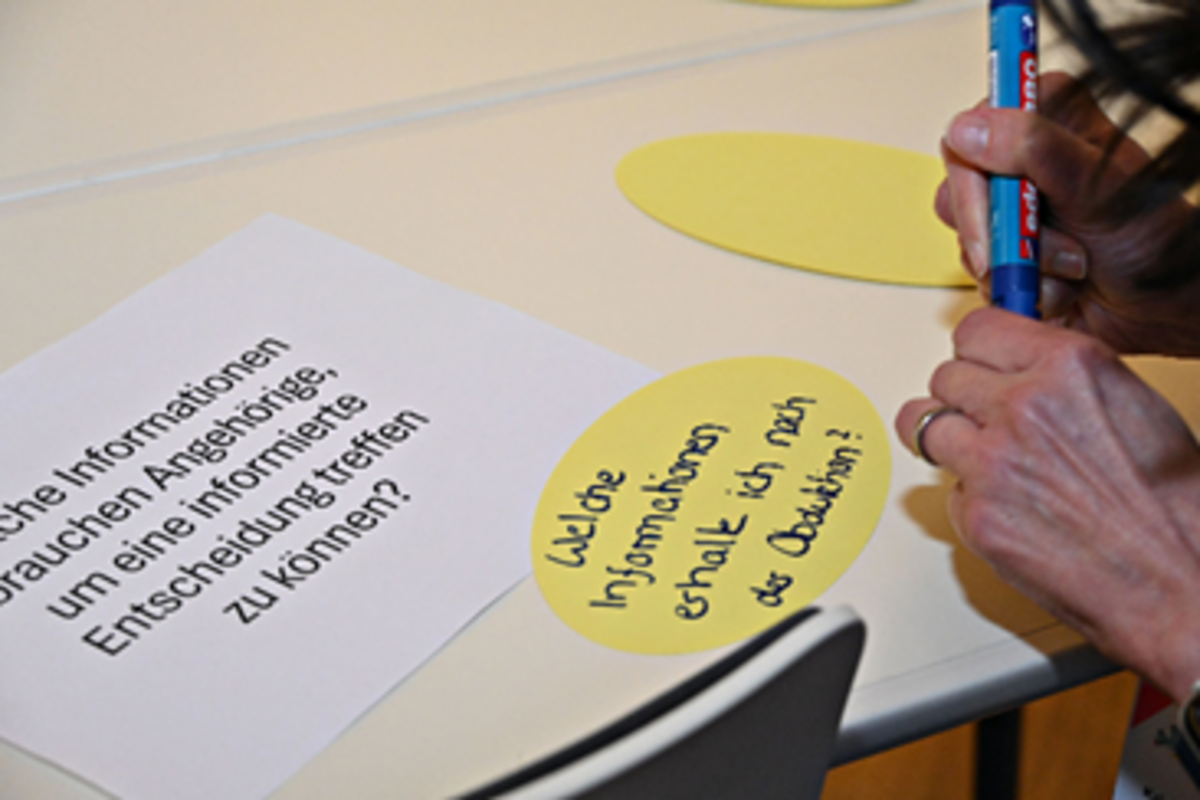
On the first day of the convention, NATON, as a co-organiser, contributed to the session ‘Prospects for the involvement of patients and their relatives’. Contributions from various patient advocacy groups opened the discussion and led to an in-depth exchange in a World Café format. Dr Ruth Biller, Chair of ARVC Selbsthilfe, gave a particularly compelling account of the central role that post-mortem examinations can play for the families of those affected by rare heart conditions. Thank you once again for these valuable insights! The outcomes of the session provide important starting points for integrating further initiatives into the Network University Medicine (NUM) and for embedding patient involvement in research structures in a long-term and visible manner.
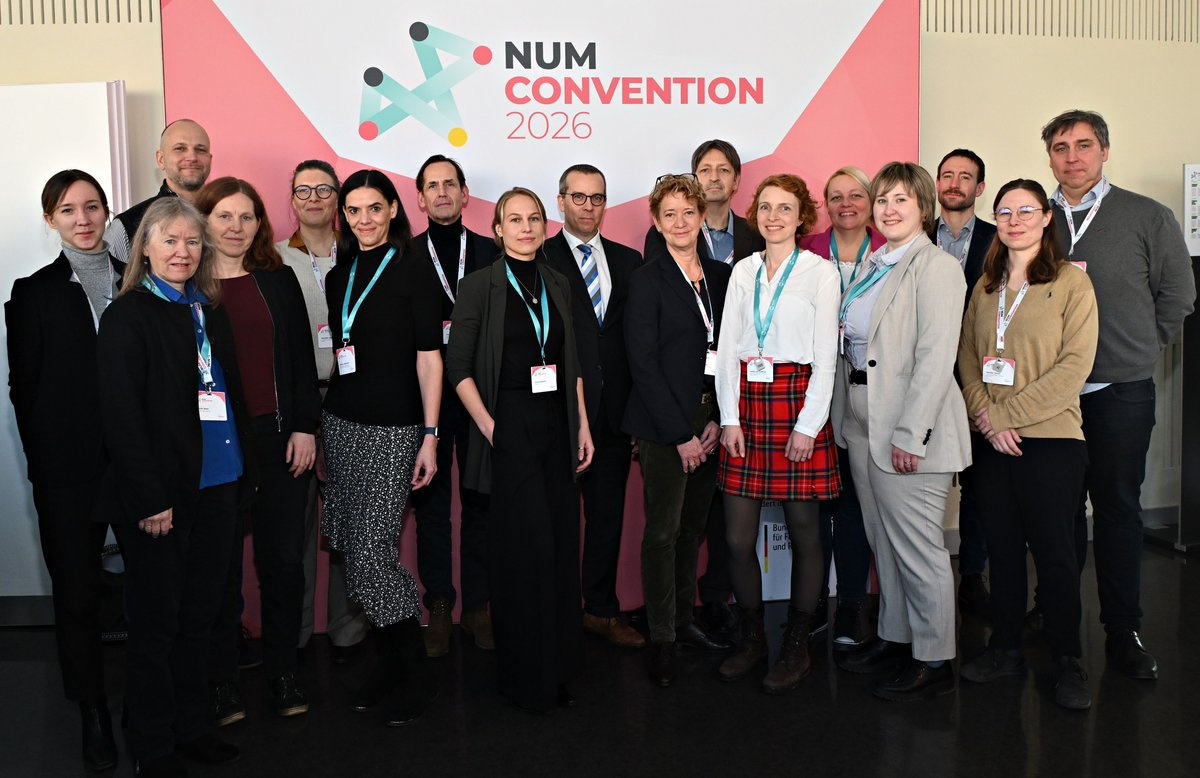
The second day of the event began with the first NATON quarterly meeting of 2026. Around 50 participants – both in person (in the group photo on the right) and online – discussed current research topics. Expert contributions came, amongst others, from Prof. Dr Markus Glatzel (UKE Hamburg), who gave a research presentation on the influence of chronic viral infections on Parkinson’s neuropathology, and from Dr Helena Radbruch (Charité Berlin), who presented an impressive autopsy case. The discussions once again highlighted the value of interdisciplinary collaboration within NATON.
A heartfelt thank you to everyone who contributed to the successful organisation of this NUM Convention – for new ideas, engaging discussions and exciting approaches to collaboration. Special thanks go to the NUM Coordination Office and the NATON partners, some of whom travelled to Berlin specifically for the quarterly meeting.