


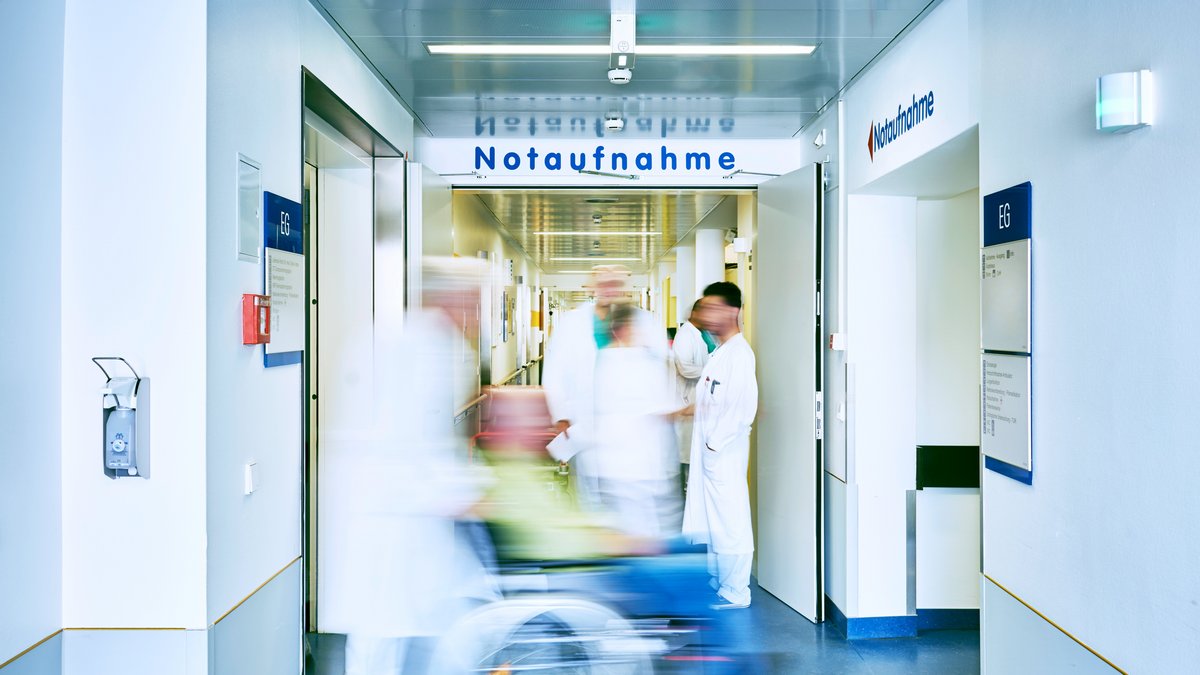
Extreme heat can have a wide range of health consequences. These range from heatstroke and sunstroke to strain on the circulatory system and fluid balance. To enable these effects to be monitored in real time, the RKI Emergency Departments Surveillance dashboard will in future also highlight clusters of heat-related admissions to Emergency Departments.
This is based on routine data from participating Emergency Departments in the A&E Register, which is transmitted daily to the RKI via the NUM Platform for Acute, Intensive and Emergency Medicine. Since 2020, the “syndromic surveillance” system – developed in collaboration with the RKI – an early warning system based on disease symptoms, has enabled the monitoring of trends in emergency care based on data from voluntarily participating hospitals.
The new heat indicator was developed as part of the “KlimaNot” research project and adds an important component to the reporting – which has so far focused primarily on infectious diseases – for monitoring non-communicable, climate-sensitive health phenomena.
The AKTIN infrastructure is pleased to contribute, using data from participating Emergency Departments, to improved risk communication and the provision of faster information to hospitals and public health services.